


Padminī Ekādaśī Vrataṁ – of the extra, leap-year month śukla pakṣa
May 27
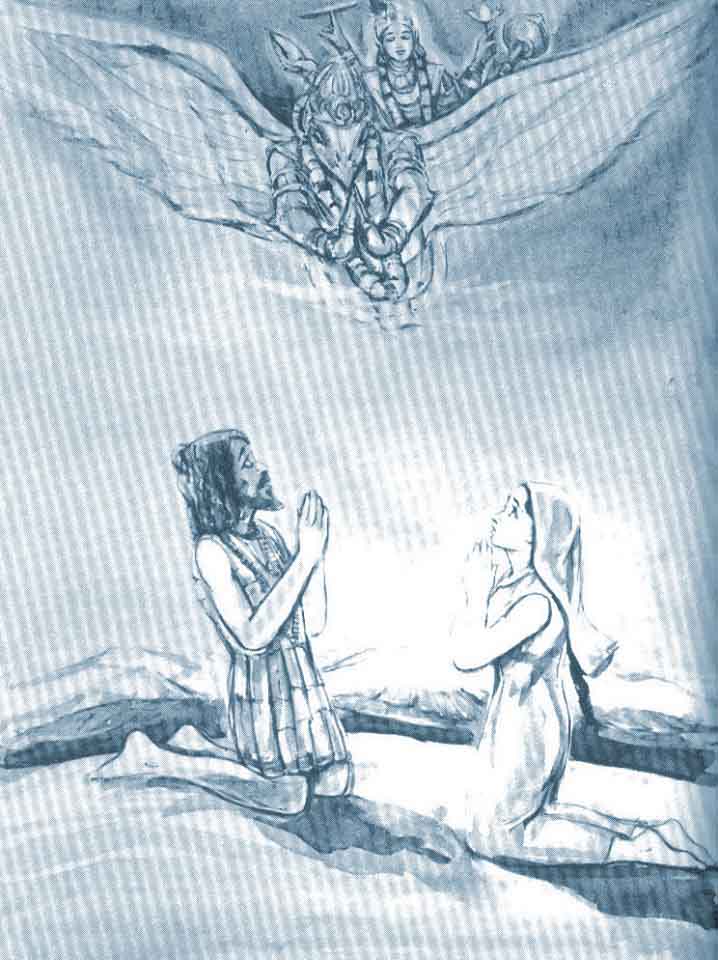
BREAKING THE FAST ON THE NEXT DAY.
Sūta Gosvāmi said, “Yudhiṣṭhira Mahārāja said, O Janārdana, what is the name of the Ekādaśī that occurs during the light fortnight of the extra, leap year month? How does one observe it properly? Please narrate all this to me.’
“The Supreme Personality of God, Lord Śrī Kṛṣṇa, replied, „O Pāṇḍava, the meritorious Ekādaśī that occurs during the light fortnight of the extra month of leap-year is called Padminī. It is very auspicious. The fortunate soul who observes it with great determination and faith will return to My personal abode. This extra-month Ekādaśī is as powerful as I am in nullifying sins. Even four-headed Lord Brahmā cannot glorify it sufficiently. Long ago Lord Brahmā told Nārada about this liberating, sin-removing Ekādaśī.’
“Lotus-eyed Lord Kṛṣṇa became very pleased by the enquiry of Yudhiṣṭhira and spoke to him the following pleasing words: ‘O king, please listen carefully as I narrate to you the process of fasting on Padminī Ekādaśī, which is rarely done even by great sages.
“One should begin his fast on the Daśamī, the day before Ekādaśī, by not eating any urad dāl, pink dāl, chickpeas, spinach, honey, or sea salt, and also by not dining in homes of others or off bell-metal plates. These eight things should be avoided. One should eat only once on the Daśamī, sleep on the ground and remain celibate. On Ekādaśī the devotee should rise early in the morning but should not brush his teeth. Then he should thoroughly bathe – in a place of pilgrimage, if possible. While chanting sacred hymns from the Vedas, he should smear his body with cow dung mixed with clay, sesame-seed paste, kuśa grass, and the powder of āmalakī fruits. Then the devotee should take another thorough bath, after which he should chant the following prayers:
……………………………………………………
Click here to order a copy of the Ekadashi book, in which you can read this complete article